
Call Us

(905) 670-0113

Top Scenic Bus Types for Global Buyers?

Choosing the right Scenic Bus now requires more than attractive windows and comfortable seats. Global buyers must compare passenger capacity, route flexibility, climate control, accessibility, energy use, and maintenance support.

Demand is returning strongly. UN Tourism reported approximately 1.4 billion international tourist arrivals in 2024, reaching 99% of 2019 levels. WTTC also recorded a record travel and tourism contribution of over US$11 trillion to global GDP in 2024. These figures support renewed investment in sightseeing fleets, airport tours, heritage routes, and destination shuttles. Yet, visitor growth does not guarantee a successful purchase. A beautiful bus can still fail on narrow streets, steep roads, or extreme summer routes.

Sustainability is becoming more practical, not merely promotional. The International Energy Agency’s Global EV Outlook 2024 reported more than 70,000 electric buses sold globally in 2023. This strengthens the case for battery-Electric Scenic Bus models in urban sightseeing operations. Diesel and hybrid coaches remain relevant for long-distance routes and regions with limited charging infrastructure. There is no universal winner.

As Mohamed Mezghani, Secretary General of the International Association of Public Transport, has stated, “Public transport is the backbone of sustainable mobility.” His point applies directly to scenic tourism fleets. Open-top double-deckers offer visibility and strong branding. Panoramic coaches provide comfort across longer routes. Electric minibuses suit historic districts and low-emission zones. Amphibious vehicles create memorable experiences, but demand specialized operating conditions.

This guide compares the leading Scenic Bus types for global buyers. It considers passenger experience, operating realities, total ownership costs, and local infrastructure. Some assumptions deserve questioning. The most impressive vehicle is not always the most suitable one.
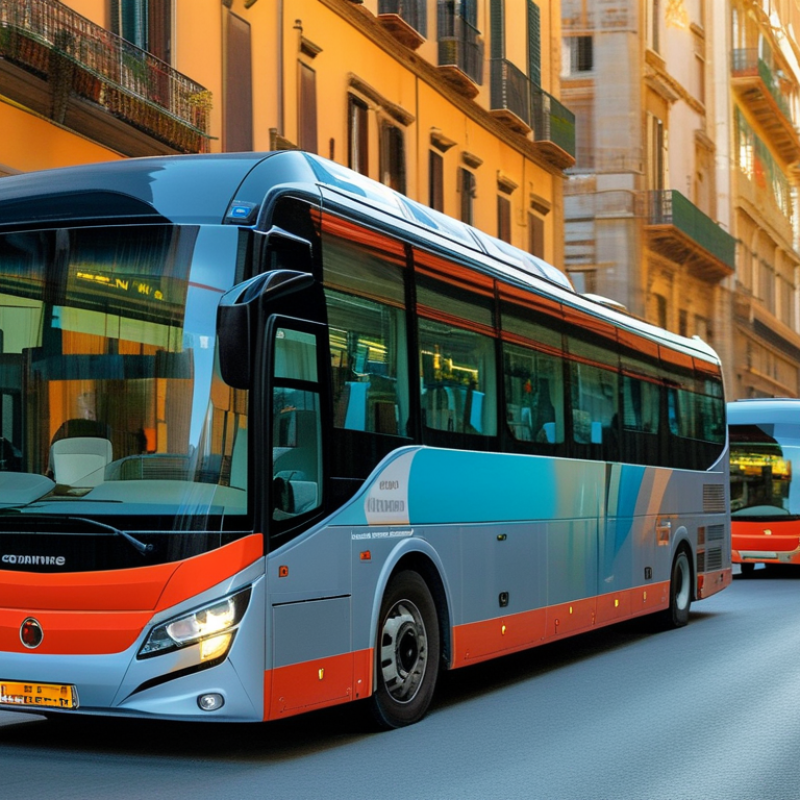
Top Scenic Bus Types for Global Buyers?

Scenic Bus Categories and Their Defining Features

Scenic buses usually fall into four practical categories: open-top sightseeing buses, panoramic-roof coaches, electric shuttle buses, and rugged route vehicles. Open-top models suit historic districts and coastal roads. Their upper decks provide wide views, strong airflow, and quick photo opportunities. However, rain protection, passenger shade, and low-clearance planning require careful attention. Weather changes quickly.

Panoramic-roof coaches provide a quieter experience for mountain roads, cultural routes, and long transfers. Large windows, reclining seats, luggage space, and climate control define this category. The International Energy Agency’s Global EV Outlook 2024 reports that electric bus sales exceeded 50,000 units in 2023. This supports growing interest in electric scenic shuttles, especially where cities control noise and local emissions. Battery range still changes sharply with hills, heating, air conditioning, and passenger load.

Electric shuttles work well on short loops, park routes, and resort connections. They need charging plans, accessible boarding, and dependable thermal management. Rugged scenic vehicles serve uneven roads, nature reserves, and remote viewpoints. They typically require higher ground clearance, stronger suspension, and washable interiors. UN Tourism’s World Tourism Barometer recorded international tourism reaching about 89% of 2019 levels in 2023, increasing pressure on operators to improve capacity and comfort. Yet visitor forecasts cannot replace route testing. A bus that performs well on a flat demonstration track may struggle on a crowded, steep road. The categories help comparison, but they are not perfect.

Top Scenic Bus Types for Global Buyers

Typical passenger-capacity ranges by scenic bus category. Actual capacity varies with vehicle length, seating layout, accessibility equipment, and local regulations.

Open-Top Double-Decker

Two passenger decks, elevated sightseeing views, and open-air upper seating for city tours.

Panoramic Touring Coach

Large windows, comfortable forward-facing seats, luggage space, and long-distance touring capability.

Mini Scenic Bus

Compact dimensions, narrow turning radius, and suitability for historic districts, resorts, and mountain roads.

Electric Sightseeing Shuttle

Quiet operation, zero tailpipe emissions, and suitability for campuses, parks, resorts, and low-speed routes.

Amphibious Sightseeing Bus

Road-and-water operation, specialized buoyant construction, and guided tours combining urban and waterfront routes.

How Open-Top Buses Enhance Panoramic Sightseeing

Top Scenic Bus Types for Global Buyers?

Open-top buses turn city routes into moving observation decks. Passengers see rooflines, bridges, and street life without tinted windows. This format works best where landmarks stay close, weather remains manageable, and routes stay visually active. UN Tourism’s World Tourism Barometer reported 1.4 billion international arrivals in 2024. That figure restored global travel volume to 99% of 2019 levels. Demand is recovering, but buyers still need local route evidence.

For global buyers, deck height, seating sightlines, boarding access, and weather protection matter more than appearance. A strong upper deck keeps handrails visible and reduces blind spots near stairs. Partial roofs, wind screens, and drainage channels can extend service during sudden rain. WTTC’s 2024 Economic Impact Research estimated that travel and tourism generated 10.1% of global GDP in 2023. However, visitor spending does not guarantee full buses. Route timing and guide quality still shape perceived value.

Test the vehicle during morning glare, evening shadows, and crowded curbside stops. Measure turning clearance, boarding time, cabin noise, and passenger flow. Open air feels premium. It can also feel exposed. Heat is an easy weakness to miss; a beautiful upper deck may become uncomfortable after twenty minutes. Buyers should compare route trials, accessibility performance, maintenance records, and seasonal utilization, not only capacity or brochure images.

Why Glass-Roof Buses Suit All-Weather Travel

Top Scenic Bus Types for Global Buyers?

Why Glass-Roof Buses Suit All-Weather Travel

Glass-roof buses create a wider viewing experience without requiring passengers to leave their seats. Through a clear roof, travelers can watch city skylines, mountain ridges, or rain moving across forest roads. For global buyers, laminated safety glass, UV protection, and reliable roof seals should be basic requirements. Visibility stays high.

All-weather performance depends on more than transparent panels. Effective drainage channels prevent water from pooling above passengers. Double-layer glazing can reduce heat transfer during hot journeys and limit interior chill in colder regions. Proper insulation also helps climate-control systems work more steadily. During route inspections, small leaks often reveal weak installation rather than poor glass quality.

A practical design should include shading, anti-glare treatment, and ventilation near the roof. These details matter when sunlight changes quickly. Snow loads, strong wind, dust, and heavy rainfall require testing for the intended operating region. Not always. A glass roof can still feel too warm or reflective if maintenance is ignored. Operators should inspect seals, drainage outlets, and surface scratches regularly. In my experience, passengers value comfort more than the largest possible viewing area. A slightly smaller roof, correctly engineered, may serve more climates and last longer. Safety certification, repair access, and replacement availability should guide purchasing decisions as much as visual appeal.

Comparing Double-Deck, Mini, and Electric Scenic Buses

Scenic bus buyers usually compare capacity, route access, passenger comfort, and operating cost. Double-deck buses offer wide views and strong capacity on busy sightseeing routes. The upper deck can turn a familiar skyline into a memorable experience. However, height limits, low bridges, and sharp turns require careful route surveys. Boarding may also take longer during peak hours. More seats are not always better.

Mini scenic buses suit narrow streets, hillside roads, and smaller visitor groups. Their shorter body improves turning and reduces parking pressure near crowded attractions. A lower step height can support older passengers and travelers with limited mobility. Yet, limited luggage space may frustrate groups carrying cameras, coats, or small bags. Buyers should test loading time with real passengers, not only review a specification sheet.

Electric scenic buses create quieter journeys, especially near parks, historic districts, and residential streets. They also reduce direct exhaust emissions during operation. Range depends on passenger load, terrain, heating, cooling, and driving speed. Advertised figures can look optimistic in cold weather. A practical evaluation should include charging access, battery warranty terms, maintenance training, and backup planning. A 15-minute route trial may reveal more than a polished presentation. Operators should also check accessibility equipment and local safety requirements before purchase.

Top Scenic Bus Types for Global Buyers: Comparing Double-Deck, Mini, and Electric Scenic Buses
Comparison Dimension Double-Deck Scenic Bus Mini Scenic Bus Electric Scenic Bus
Typical Passenger Capacity Approximately 60–90 passengers, depending on seating layout and whether the upper deck is open or enclosed. Approximately 15–30 passengers, suitable for short routes and smaller visitor groups. Approximately 20–80 passengers, depending on vehicle length, battery packaging, and floor design.
Typical Vehicle Length Approximately 10.5–13.5 metres. Approximately 5.5–8.0 metres. Approximately 7.0–12.0 metres for common urban and tourism configurations.
Typical Overall Height Approximately 4.0–4.4 metres; route clearance must be checked carefully. Approximately 2.7–3.3 metres, generally easier to operate in areas with height restrictions. Approximately 3.0–3.6 metres, depending on the body design and battery arrangement.
Powertrain Usually diesel or compressed natural gas; alternative powertrains are available in some markets. Usually diesel, gasoline, or low-emission alternative powertrains. Battery-electric motor powered by rechargeable lithium-ion battery packs.
Typical Operating Range Generally suited to long daily operating cycles because refuelling is relatively quick and widely available. Well suited to short or medium sightseeing loops with frequent stops. Commonly about 150–300 kilometres per charge under mixed operating conditions; actual range varies with passenger load, climate, terrain, and HVAC use.
Charging or Refuelling Requirement Liquid-fuel or gas refuelling infrastructure; a standard refuelling stop is usually much shorter than a full battery charge. Conventional refuelling infrastructure is widely available; charging requirements depend on the selected powertrain. Requires depot or opportunity charging. Typical AC charging may take several hours, while high-power DC charging can reduce charging time substantially.
Best Route Environment High-volume city sightseeing, waterfront circuits, landmark tours, and routes where elevated views are a major selling point. Historic districts, resort areas, narrow streets, campuses, parks, and low-demand routes. Urban sightseeing, environmentally sensitive destinations, zero- or low-emission zones, parks, and enclosed tourist complexes.
Road Manoeuvrability Lower manoeuvrability than smaller buses because of its length, height, and wider turning requirements. High manoeuvrability and easier access to narrow streets, compact terminals, and smaller loading areas. Varies by size; smaller electric models offer good manoeuvrability, while larger models require route planning similar to conventional buses.
Passenger Accessibility Usually includes a low-floor entrance and wheelchair space on the lower deck; upper-deck access may involve stairs. Accessibility depends strongly on the floor height and ramp or lift configuration; compact layouts may limit interior space. Often designed with low-floor entry, kneeling suspension, ramps, and dedicated wheelchair areas, subject to local regulations.
Climate and Comfort Considerations Open-top layouts provide panoramic views but may require roof covers, weather protection, and seasonal operating adjustments. Compact cabins are easier to heat or cool, although interior space and luggage capacity are limited. Quiet operation and low vibration improve passenger comfort; heating and air-conditioning use can significantly affect energy consumption.
Environmental Profile Tailpipe emissions depend on the fuel and engine standard; fuel consumption generally increases with vehicle size and passenger load. Usually has a lower absolute fuel demand than a full-size bus, but emissions depend on the engine, fuel, and operating cycle. Produces no tailpipe emissions during operation. Overall carbon impact depends on electricity generation, battery production, and vehicle usage.
Maintenance Considerations Requires inspection of the engine, transmission, braking system, body structure, roof equipment, and upper-deck components. Generally simpler to service because of its smaller size, although parts availability depends on the local market. Has fewer moving drivetrain components but requires qualified high-voltage technicians, battery monitoring, and thermal-management maintenance.
Main Purchasing Advantage High passenger throughput and strong panoramic viewing experience on popular routes. Lower capacity but excellent flexibility for smaller groups, restricted roads, and lower-demand routes. Quiet, low-emission operation with strong suitability for sustainability-focused tourism projects.
Main Purchasing Limitation High purchase and operating requirements, route-height restrictions, and potentially greater fuel consumption. Limited passenger capacity, luggage space, and comfort capacity during peak tourist periods. Higher upfront cost, charging-infrastructure requirements, charging downtime, and range sensitivity in extreme weather or hilly terrain.
Most Suitable Buyer Profile Operators serving high-volume tourist corridors with established depots and routes that can accommodate tall vehicles. Hotels, resorts, parks, heritage destinations, private attractions, and operators serving compact sightseeing areas. Municipal operators, eco-tourism destinations, airports, campuses, resorts, and buyers with reliable charging access.
Data note: Figures are representative industry ranges for conventional sightseeing vehicle configurations. Actual specifications vary by vehicle body, seating layout, local regulations, terrain, passenger load, climate, battery capacity, and operating schedule.

Key Buying Factors for Global Scenic Bus Operators

Top Scenic Bus Types for Global Buyers?

For global scenic bus operators, the best vehicle is not always the largest one. Capacity should match seasonal demand, road width, and attraction access. UN Tourism reported about 1.4 billion international arrivals in 2024, reaching 99% of 2019 levels. This recovery increases pressure on operators to provide reliable, comfortable transport. A 20-seat open-top bus may suit historic districts, while a 40-seat enclosed coach performs better on longer routes. Visibility matters, but weather protection matters more than many buyers expect.

Energy use deserves careful measurement. The IEA’s Global EV Outlook 2024 recorded more than 50,000 electric bus sales worldwide in 2023. Electric models can reduce urban noise and local exhaust emissions. However, operators must examine battery range, charging time, gradient performance, and replacement costs. A route with steep hills and constant air-conditioning may deliver weaker results than the brochure suggests. Accessibility is equally important. Low floors, ramps, handrails, and clear passenger information support safer boarding for older travelers and wheelchair users. UNECE vehicle safety guidance should inform local specifications, not replace local certification.

Tips: Request a route simulation before purchase. Test the bus on real slopes, tight turns, and crowded stops. Compare total operating cost over eight years, not only the purchase price. Ask for verified energy data under your climate. One missed factor can become a daily expense.