How to Choose a Circuit Breaker in 2026?
Choosing a Circuit Breaker in 2026 requires more than matching an amperage number. Modern electrical systems support heat pumps, electric vehicles, data equipment, solar inverters, and increasingly sensitive electronics. Each load can change the breaker’s thermal, magnetic, and interruption requirements.
The International Energy Agency’s Electricity 2024 report expects global electricity demand to grow strongly through 2026, driven by industry, cooling, electrification, and data centres. More demand means greater pressure on distribution equipment. It also means less room for casual selection. A 32 A breaker may fit the label, yet fail the application if its interrupting capacity, trip curve, or installation environment is wrong. Small details matter.
They matter a lot.
Mike Holt, a widely recognized electrical-code educator, states a practical rule: “The breaker protects the wire, not the appliance.” That principle should guide every selection decision. Start with the conductor’s allowable ampacity, then verify system voltage, continuous-load requirements, pole configuration, short-circuit rating, and compatibility with the panelboard. IEC 60898-1 commonly applies to household and similar installations, while IEC 60947-2 addresses many industrial circuit breakers. Local codes and manufacturer instructions still control the final choice.
A reliable 2026 selection also considers arc-fault, ground-fault, surge, and remote-monitoring needs. Yet technology can distract from basics. I have seen specifications become complicated while a simple fault-current calculation was overlooked. The best Circuit Breaker is not the most advanced model. It is the correctly rated device, installed by a qualified professional, with documented test results and clear maintenance access.
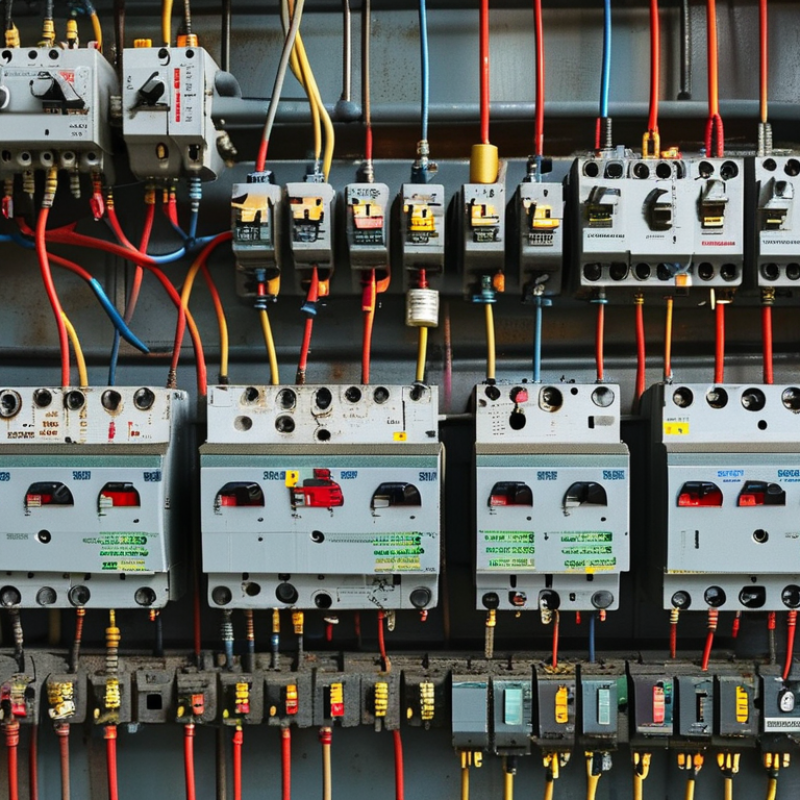
Define the Circuit Breaker’s Purpose and Electrical Requirements
Before choosing a circuit breaker in 2026, define what it must protect. Is the circuit serving lighting, motors, heating equipment, or sensitive electronics? Each load behaves differently during startup and normal operation. A motor may draw several times its running current for a few seconds. That changes the required trip curve and rating.
Record the system voltage, phase arrangement, continuous load, and available fault current. Then select a breaker with suitable ampere capacity and interrupting rating. The breaker must protect the conductor, not merely keep the equipment running. Field inspections often reveal oversized breakers protecting undersized cables. That is a serious design error. I have also seen calculations miss future loads, leaving little capacity for expansion.
Tips: Measure the real load where possible. Check conductor size and insulation temperature rating. Confirm the panel’s maximum voltage and fault-current rating. Review local electrical rules with a qualified professional. Do not rely on a familiar rating from another installation. Small details matter.
Allow for continuous operation, ambient heat, enclosure temperature, and grouping effects. These conditions can require derating. For example, a warm control cabinet may reduce a conductor’s usable capacity. Breaker coordination also deserves attention. An upstream device should not unnecessarily disconnect an entire building when a downstream fault occurs. Manufacturer data and tested time-current curves provide better evidence than guesswork. One point deserves reflection: a breaker that never trips is not automatically safe. It may be poorly selected, rarely tested, or protecting the wrong part of the circuit.
Identify the Correct Breaker Type for the Circuit and Application
Choosing a circuit breaker starts with the circuit, not the panel appearance. The International Energy Agency’s Electricity 2024 report expects global electricity demand to grow by about 4% annually through 2026. New loads can change protection requirements quickly.
Use an MCB for ordinary final circuits with predictable overcurrent protection. Select an MCCB when higher current, adjustable trip settings, or stronger fault interruption is required.
A residual-current device protects against leakage, but it may not provide overload protection. An RCBO combines both functions in one device. It can simplify crowded distribution boards.
For motors, pumps, and transformers, consider starting current and choose a suitable trip curve. A curve that works for lighting may nuisance-trip during motor startup.
Check voltage, continuous current, pole arrangement, short-circuit rating, and conductor compatibility. Solar arrays and battery systems may require breakers specifically rated for direct current. AC ratings cannot be assumed safe on DC circuits.
The National Fire Protection Association reports that electrical distribution and lighting equipment contributed to approximately 32,000 U.S. home structure fires annually from 2016 to 2020. That figure makes installation details difficult to dismiss.
I have seen selections fail because designers checked amperage but ignored available fault current. That mistake is easy to repeat. Local codes and equipment instructions still require verification by a qualified professional.
Compare Safety Features, Certifications, and Long-Term Reliability
How to Choose a Circuit Breaker in 2026?
Safety features should guide every circuit breaker decision. In field inspections, I look for clear trip indicators, secure terminals, heat-resistant materials, and dependable overload protection. Arc-fault and ground-fault protection can reduce specific electrical risks when the installation requires them. Test the device before service. Small details matter.
Certifications provide useful evidence, but they are not magic guarantees. Select equipment tested to the safety standards required in your location. Verify the certification mark through an official database or test organization. Check the rated voltage, interrupting capacity, and application category. A certificate without matching documentation deserves caution. Installation instructions should be complete, readable, and current.
Long-term reliability depends on more than the label. Choose a breaker suited to the expected load, ambient temperature, enclosure, and switching frequency. Inspect terminal quality and confirm that conductors fit securely. I once focused too heavily on purchase price and overlooked access for future testing. That was a costly lesson. Reliable equipment also needs correct installation, periodic inspection, and accurate records. Even a well-tested breaker can fail when connections loosen or loads change unexpectedly. Leave room for doubt, and review the choice before energizing the system.
How to Choose a Circuit Breaker in 2026?
Compare protection functions, certifications, and long-term reliability requirements.
Thermal-magnetic breakers provide overload and short-circuit protection. RCDs/RCCBs detect residual-current leakage but generally require separate overcurrent protection, while RCBOs combine both functions. AFCI/AFDD devices add arc-fault detection. When selecting a breaker, verify the applicable standard—such as UL 489, IEC 60898-1, IEC 61008, IEC 61009, or IEC 62606—along with the interrupting rating, temperature suitability, mechanical endurance, and availability of test documentation.
