
Call Us

(905) 670-0113

How to Choose the Right Van Truck for Your Business?

Choosing the right Van Truck is a practical decision, not a simple purchase. It affects delivery speed, fuel costs, driver comfort, and customer service. A vehicle that looks affordable may become expensive when payload limits, maintenance, and downtime are included.

Industry data shows why this choice deserves careful attention. The ACEA report Vehicles on European Roads 2024 places the average age of European vans at more than twelve years. Older vehicles may offer lower purchase prices, but they often bring higher repair risks and weaker fuel efficiency. The International Energy Agency’s Global EV Outlook 2024 also reports that electric vehicle sales exceeded 14 million globally in 2023. However, electric vans still depend heavily on route length, charging access, payload, and climate conditions. Trends matter. They do not replace site-level evidence.

Start with the work itself. Measure daily mileage, stop frequency, cargo volume, pallet dimensions, road surfaces, and loading conditions. A bakery van needs cleanable walls and stable shelving. A construction service van may need reinforced flooring, secure tool storage, and higher ground clearance. A refrigerated operator needs dependable temperature control, not just a large cargo box.

Small details matter. A door that opens fully can save minutes at every stop. That time becomes significant across a full year. Yet no spreadsheet captures every operational surprise. I have seen buyers overestimate maximum capacity and underestimate access height. That mistake is costly. Compare total cost of ownership, safety equipment, warranty support, charging or fueling infrastructure, and local service coverage before choosing your Van Truck.
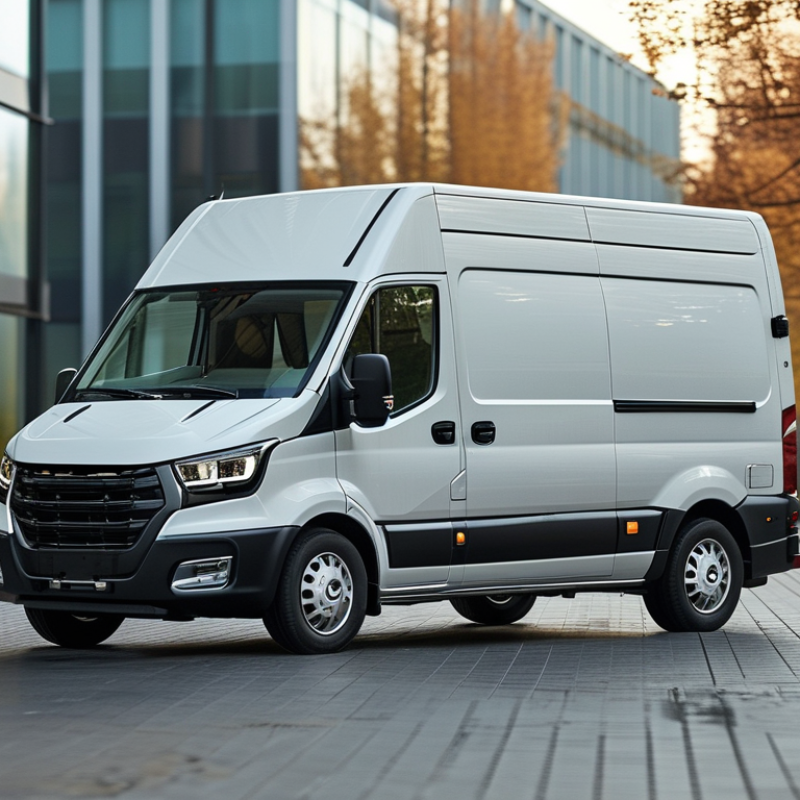
How to Choose the Right Van Truck for Your Business?

Define Your Business Needs and Van Truck Applications

Choosing the right van truck starts with defining the work, not the vehicle’s appearance. Map daily routes, payload, cargo volume, parking limits, and loading frequency. A florist needs clean, stable space, while a construction crew may require reinforced flooring and tool storage. Measure your largest cargo first. Guessing here can become expensive.

The ACEA Vehicles on European Roads report states that vans averaged 12.5 years old in 2022. That age highlights the value of planned replacement and reliable servicing. Meanwhile, the IEA’s Global EV Outlook 2024 reports that electric light-commercial-vehicle sales rose by almost 60% in 2023. Electric models may suit predictable urban routes, but charging access and cold-weather range still need honest assessment. The ideal van truck is rarely the biggest one. It is the one that completes the route without wasted space or excessive fuel.

Tips: Record two weeks of real deliveries. Note payload weight, idle time, turning space, and loading delays. Compare those records with the vehicle’s rated payload and cargo dimensions. Leave operating margin. A van loaded to its limit may perform poorly on hills or uneven roads. I once underestimated door clearance; that small mistake delayed every loading stop. Review the plan with drivers before buying. Their practical feedback may expose needs that a spreadsheet misses.

How to Choose the Right Van Truck for Your Business? - Define Your Business Needs and Van Truck Applications

Business Application Recommended Van Truck Type Typical Cargo Volume Typical Payload Capacity Key Requirements Main Advantages Important Trade-Offs
Urban parcel delivery Compact or standard cargo van Approximately 3–12 m³ Approximately 600–1,500 kg Frequent stops, easy entry and exit, compact exterior dimensions, secure shelving Easy maneuverability in narrow streets and parking areas; lower operating cost than larger trucks Limited space for bulky packages and lower maximum payload than larger van trucks
Regional distribution Long-wheelbase standard or high-roof cargo van Approximately 10–18 m³ Approximately 1,000–2,000 kg Longer driving distances, organized cargo zones, adequate loading height and driver comfort Balances cargo capacity, driving range and daily usability Higher purchase, fuel and maintenance costs than compact vans
Furniture and appliance transport High-roof van or enclosed box van Approximately 15–30 m³ Approximately 1,500–3,500 kg Wide rear access, interior tie-down points, protective lining, liftgate when required Protects large goods from weather and provides efficient use of vertical cargo space Greater height may restrict access to low-clearance locations; liftgates add weight and cost
Construction and maintenance service Cargo van with workshop conversion or cutaway van truck Approximately 8–25 m³ Approximately 1,000–3,500 kg Heavy-duty shelving, tool storage, power supply, anti-slip flooring and payload reserve Keeps tools organized and reduces travel time between job sites Interior equipment reduces available payload; modifications require careful weight distribution
Food and pharmaceutical delivery Insulated or refrigerated van truck Approximately 8–25 m³ Approximately 800–3,000 kg before refrigeration equipment Temperature control, insulated body, easy-clean surfaces, monitoring and reliable door seals Maintains product quality during transport and supports scheduled deliveries Higher energy use, reduced payload after conversion and additional maintenance requirements
Mobile retail or catering High-roof van or customized box van Approximately 12–30 m³ Approximately 1,000–3,500 kg Standing room, ventilation, electrical system, water storage and safe equipment mounting Combines transportation and workplace functions in one vehicle Custom installations can significantly increase vehicle weight, cost and certification requirements
Passenger and crew transport Crew van or passenger van truck Approximately 4–15 m³ of remaining cargo space Approximately 700–2,000 kg, depending on passenger count Seat capacity, passenger safety systems, climate control and sufficient luggage space Moves staff and equipment together, reducing the need for separate vehicles Passenger weight reduces available cargo payload; seating layouts limit loading flexibility
Heavy or high-volume freight Large cutaway van truck or light-duty box van Approximately 20–40 m³ Approximately 2,500–5,500 kg High gross vehicle weight rating, reinforced floor, load restraint and suitable loading equipment Handles larger loads and provides a more practical cargo area for commercial operations Less maneuverable and generally more expensive to operate; may require additional driver or road permits
Selection note: Specifications are typical industry ranges and vary by vehicle configuration, body length, drivetrain, conversion equipment and local regulations. Always verify the gross vehicle weight rating, maximum payload, axle limits, cargo dimensions and required driving license before purchase.

Compare Van Truck Sizes, Payloads, and Cargo Configurations

How to Choose the Right Van Truck for Your Business?

Van truck selection starts with payload, not appearance. The 2022 U.S. Census Commodity Flow Survey reports that trucks carried over 70% of domestic freight tonnage by weight. That scale makes capacity planning important, even for small operators. A compact van suits parcels and city streets. A medium van offers more shelving space without becoming difficult to park. Large vans support bulky tools, appliances, or stacked cartons, but their extra volume can tempt owners to carry unnecessary weight.

Check the payload label carefully. Payload equals gross vehicle weight rating minus curb weight, passengers, fuel, and installed equipment. A 1,500-kilogram payload can shrink quickly after adding shelves, a liftgate, and two technicians. The NTEA Work Truck Industry Overview emphasizes that upfitting changes vehicle weight and usable capacity.

Measure the cargo bay, too. Floor length, interior height, wheel-arch width, and door opening often matter more than advertised volume.

Think about configuration. A partition protects occupants from shifting cargo, while adjustable shelving improves tool access. A flat floor helps pallets, but a lower floor may reduce ground clearance.

The U.S. Department of Energy notes that carrying an additional 100 pounds can reduce fuel economy by up to 1% in some vehicles. That figure is not universal. Real routes, traffic, and tire pressure interfere.

I would record actual weekly loads before buying. Guessing from one busy day is an expensive mistake.

Evaluate Engine Performance, Fuel Economy, and Driving Conditions

How to Choose the Right Van Truck for Your Business?

Engine performance should match your daily workload, not your hopes. A lightly loaded delivery van may perform well with a smaller engine. However, heavy tools, cargo, and steep roads demand stronger low-speed torque. During a test drive, load the vehicle realistically and check acceleration on hills. Listen for unusual vibration, delayed shifting, or excessive engine noise. I once overvalued maximum power and ignored low-speed control. That decision increased fuel use in crowded streets. It was an expensive lesson.

Tips: Compare fuel economy under similar loads. Ask for maintenance records. Check idle behavior with the air conditioner running. A smooth idle matters during frequent stops. Also, measure turning space if your routes include narrow alleys or busy loading areas.

Driving conditions can change the right choice completely. Stop-and-go traffic rewards efficient engines and reliable cooling systems. Long highway routes require stable cruising and comfortable driver ergonomics. Cold regions may need dependable starting performance and suitable tires. Wet roads also expose weak traction and poor weight distribution. Do not trust a short dealership drive alone. Spend time behind the wheel, even if the process feels inconvenient. Fuel figures can disappoint when traffic, payload, and driving habits differ from testing conditions. Review operating data after several working days, then question whether the vehicle truly fits your routes.

How to Choose the Right Van Truck for Your Business?

Evaluate engine performance, fuel economy, and driving conditions before selecting a van truck for daily operations.

The chart compares representative diesel van classes using typical published specification ranges. Peak torque indicates pulling capability under load, while fuel consumption is shown in L/100 km, where a lower value means better efficiency. Urban figures reflect frequent stops, idling, and acceleration; highway figures reflect steady-speed driving. Select higher torque for heavy payloads, hills, or frequent towing, and prioritize fuel economy when the vehicle mainly operates on long, steady routes.

Review Safety Features, Technology, Comfort, and Maintenance Needs

Choosing a van truck starts with the work it must perform each day. Review crash protection, braking support, visibility, and load stability before comparing comfort or appearance. Look for adjustable restraints, strong door locks, wide mirrors, and clear lighting around the body. Electronic stability control and emergency braking can reduce risk, but they cannot replace trained driving. Check safety ratings from independent testing authorities and confirm the vehicle suits local road rules.

Technology should solve routine problems, not create another screen for the driver. A practical system may offer route guidance, parking sensors, cargo temperature alerts, and service reminders. Keep controls simple. Test it unloaded. Can workers read the displays in bright sun? Can they respond without looking away? These small trials reveal more than a brochure. In my fleet checks, poorly placed switches caused avoidable distractions during tight deliveries. That experience made me value simple interfaces over impressive features.

Comfort affects concentration across long shifts. Inspect seat adjustment, lumbar support, cabin noise, climate control, step height, and storage space. Ask a driver to enter, secure a load, and exit several times. Back strain often appears during ordinary tasks, not showroom demonstrations. Maintenance needs deserve equal attention. Review oil intervals, brake access, tire costs, diagnostic support, and expected downtime. Request a written schedule and examine service records for comparable vehicles. Some estimates will be optimistic. Leave room for weather, heavy loads, and unexpected repairs.

Calculate Purchase Costs, Operating Expenses, and Long-Term Value

Choosing the right van truck starts with a complete cost calculation, not an attractive exterior. Record the purchase price, financing interest, registration fees, insurance, and required equipment. A truck carrying heavy tools may need stronger suspension and a larger engine. Those features can raise the initial cost. However, an undersized vehicle may create repair bills and lost workdays. Measure your usual cargo carefully. Leave realistic space for seasonal changes.

Operating expenses often decide whether a truck remains profitable. Track fuel use, oil changes, tires, servicing, parking, and unexpected downtime. For example, a vehicle traveling 1,500 miles monthly can make small fuel differences surprisingly expensive. Divide total monthly expenses by working miles to find a practical operating cost. Check maintenance records during a professional inspection. Even then, estimates can be wrong. Traffic, weather, and overloaded routes may change the result.

Tips: Compare five-year ownership costs, not only the purchase price. Estimate resale value conservatively. Ask for service schedules and repair histories. Test the loading height with your real equipment. Keep a repair reserve for slow months. A cheaper truck is not always the better investment. Consider comfort, visibility, and access to qualified maintenance. These details affect driver safety, productivity, and long-term value.