
Call Us

(905) 670-0113

How to Source Casual Wear for Your Global Brand?

Sourcing Casual wear for a global brand is not simply a search for low prices. It is a test of product judgment, supplier discipline, and market understanding. Shoppers want soft fabrics, reliable sizing, and clothes that move from a morning commute to an evening café. Yet comfort alone cannot secure repeat purchases.

The Textile Exchange Materials Market Report 2024 estimates that global fiber production reached 124 million tonnes in 2023. It may approach 160 million tonnes by 2030. That growth creates opportunity, but it also increases pressure on material choices, factory capacity, and traceability. McKinsey and The Business of Fashion’s State of Fashion reports repeatedly highlight value-conscious consumers and fragile demand. A casual hoodie that looks attractive on a sample rack may fail after washing, shipping, or discounting.

Ayesha Barenblat, founder of Remake and a recognized fashion sustainability expert, states, “There is no such thing as sustainable fashion.” Her warning matters during supplier selection. A better approach examines fabric composition, dyeing processes, minimum order quantities, labor standards, testing records, and delivery performance together. Start with a clear product brief. Request physical samples. Wash them repeatedly. Compare shrinkage, pilling, colorfastness, and hand feel.

The process is rarely perfect.

Some suppliers will overpromise. Some forecasts will be wrong. That is why a global sourcing plan needs documented checks, backup factories, realistic margins, and honest post-season reviews. This guide explains how to build that system without treating Casual wear as a disposable category.
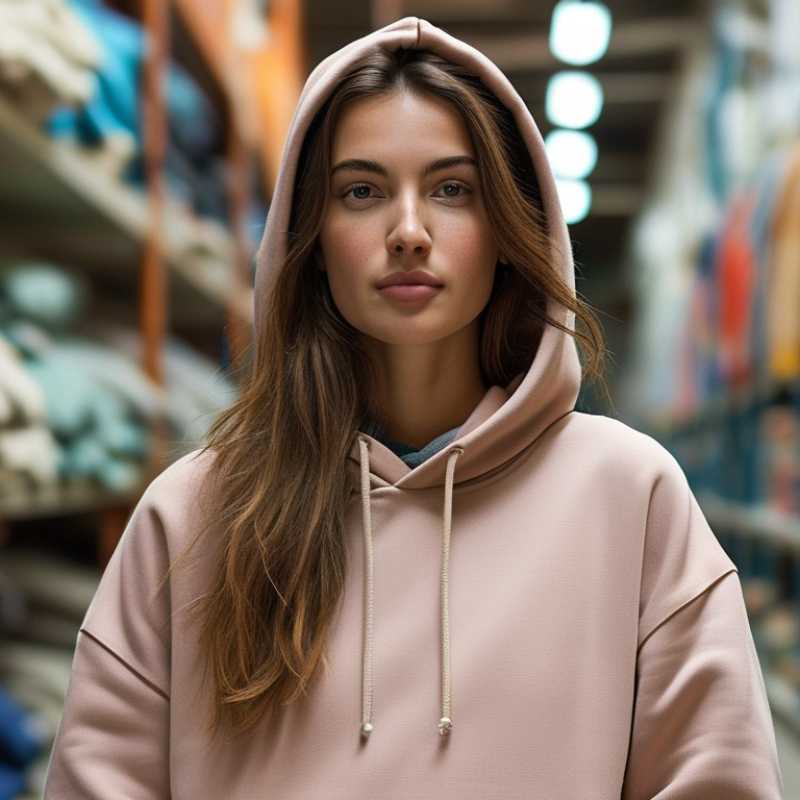
How to Source Casual Wear for Your Global Brand?

Define Your Casual Wear Product Range and Brand Requirements

How to Source Casual Wear for Your Global Brand?

Define Your Casual Wear Product Range and Brand Requirements

A casualwear range should begin with a clear customer, not a large mood board. Define use cases: commuting, travel, lounging, or weekend layering. Then set measurable requirements for each item, including fabric weight, stretch, fit, color range, size grading, target cost, and minimum order quantity. A 180 GSM cotton jersey behaves differently from a 240 GSM blend. That difference affects drape, durability, shipping weight, and customer expectations.

Market data supports careful material planning. Textile Exchange’s Materials Market Report 2024 states that global fiber production reached 124 million tonnes in 2023. Polyester represented about 57% of total output, while cotton accounted for roughly 19%. These figures show why fiber selection needs both performance and environmental reasoning.

Ask suppliers for fiber composition records, laboratory test results, colorfastness data, and production samples. A neat tech pack can still fail.

Keep the first range narrow enough to control quality. Three core tops, two bottoms, and one light layer may reveal more than twenty untested styles. In practice, excessive colors often weaken purchasing decisions. We learned that the hard way.

Build a simple cost architecture, then compare fabric, trims, labor, packaging, and freight separately. Test shrinkage after washing. Check seam recovery. Review the garment under real movement, not only on a mannequin. The McKinsey and Business of Fashion State of Fashion 2025 report describes a cautious, value-conscious market, making reliable fit and repeatable quality especially important for global casualwear.

Research and Evaluate Suitable Global Clothing Suppliers

Sourcing casual wear globally starts with evidence, not attractive product photos. Textile Exchange’s Materials Market Report 2024 recorded 124 million tonnes of global fiber production in 2023. That scale makes supplier selection more complex. Research each factory’s product range, monthly capacity, minimum order quantity, lead times, and export experience. Request recent production samples, not only showroom pieces. Check fabric weight, shrinkage, colorfastness, seam strength, and wash performance. Small details matter.

Evaluate suppliers through documented audits, worker-safety records, environmental procedures, and material traceability. Certifications can help, but certificates require verification. Contact the issuing organization when records look unclear. Review three recent customer references, if available, and compare claims with shipping documents. A polished audit file can still hide weak production control.

I have learned that a factory’s communication during a problem often reveals more than its sales presentation. Ask how it handles late fabric, failed inspections, and rejected garments. Good answers include dates, owners, and corrective actions.

Tips: Build a weighted supplier scorecard. Give quality, compliance, delivery, cost, and communication separate scores. Keep the first order manageable. Test one casual style in several sizes and colors before expanding. Textile Exchange also reports that polyester remained the dominant fiber globally in 2023, so ask whether recycled-content claims are traceable to verified inputs. Do not accept vague sustainability language. I still treat a successful sample as a promising signal, not proof. Supplier performance needs repeated checks.

Verify Quality, Compliance, Capacity, and Ethical Standards

How to Source Casual Wear for Your Global Brand?

Verify Quality, Compliance, Capacity, and Ethical Standards

A reliable supplier must prove more than a low quote. Request production records, test reports, and traceable material documents. Start with a sealed sample, not a polished presentation. Measure chest width, fabric weight, shrinkage, colorfastness, pilling, and seam strength. Use an independent laboratory when claims matter. The Textile Exchange Materials Market Report 2024 reports 124 million tonnes of global fiber production in 2023. It projects 160 million tonnes by 2030. That growth makes fiber traceability a practical control, not a marketing detail.

Verify capacity with production records, not promises. Ask for line counts, monthly output, peak-season loading, backup equipment, and subcontractor disclosure. A factory should show how it manages your order beside existing commitments. Check pre-production, inline, and final inspections. Set measurable tolerances and document corrective actions. Do not rely on one perfect sample. It can be staged. Test again. Review compliance documents, chemical test results, fire-safety records, and worker grievance channels. The ILO’s 2022 global estimates identify 27.6 million people in forced labour worldwide. That figure reinforces why interviews and payroll checks should support audits.

Ethical sourcing needs evidence at the facility level. Speak privately with workers, compare hours against payroll, and examine recruitment-fee risks. Confirm wages, working hours, freedom of association, and safe exits through qualified local specialists. Keep dated photos, batch records, test reports, and corrective-action deadlines. A supplier may pass an audit and still miss a quality problem. No checklist is perfect. Recheck after production begins, especially after fabric or line changes. Scorecards should reward transparency, not only speed and price.

Compare Costs, Minimum Orders, Lead Times, and Shipping Options

How to Source Casual Wear for Your Global Brand?

Sourcing casual wear starts with a clear cost comparison. Request fabric prices, sewing charges, labels, packaging, inspection, and payment terms separately. A low unit price may hide expensive sampling or strict packaging requirements. For example, a cotton hoodie priced at $8 may reach $10.40 after trims, cartons, and inspection. Keep every assumption visible.

Minimum order quantities can change the entire calculation. One supplier may accept 300 pieces per color, while another requires 1,000 pieces per style. Smaller orders reduce inventory risk but often increase unit costs. I have seen new collections stall because one unpopular color consumed too much cash. Ask whether mixed sizes, colors, or fabrics are allowed within the minimum order.

Lead times need written checkpoints. Sampling may take 7–14 days, bulk production 30–60 days, and quality inspection another 3–5 days. Add time for revisions. Delays happen. Shipping choices also affect landed cost. Air freight is faster, but sea freight usually suits larger cartons. Rail or consolidated freight may balance speed and budget on selected routes. Confirm carton dimensions, shipping terms, customs documents, and delivery responsibilities before payment. A spreadsheet helps, but it can still be wrong when exchange rates, port delays, or seasonal surcharges change. Recheck the figures before approving production.

How to Source Casual Wear for Your Global Brand?

Benchmark comparison of typical casual-wear sourcing regions. Values are planning averages for standard T-shirts, hoodies, and similar garments; actual quotes vary by fabric, order volume, certifications, and season.

Lower factory cost is usually associated with higher minimum order quantities and longer production lead times. Ocean freight generally offers the lowest shipping cost per unit, while air freight is faster but substantially more expensive. Estimates exclude duties, taxes, product development, and local delivery.

Build a Reliable Sourcing and Quality Control Process

Casual wear looks simple, but reliable sourcing requires disciplined control. A soft T-shirt still depends on fabric consistency, seam strength, shrinkage, colorfastness, and measurement accuracy. Textile Exchange reported that global fiber production reached 124 million tonnes in 2023. It may reach 160 million tonnes by 2030. That scale increases material risk and makes traceable supplier records more valuable.

Start with a clear product specification. Include approved fabric composition, weight, tolerance ranges, stitch density, testing methods, and packing details. Request production samples before confirming bulk orders. Then verify the factory’s capacity, equipment, subcontracting controls, and previous quality records. Independent inspections should cover raw materials, cutting, sewing, finishing, and final packing. AQL sampling helps structure decisions, but it cannot replace judgment.

Small defects become expensive quickly.

McKinsey’s State of Fashion research continues to identify sourcing volatility and supply-chain resilience as major industry concerns. Build quality gates around real production risks, not paperwork alone. Check shade variation under daylight. Measure garments after washing. Photograph defects beside a ruler. Keep sealed reference samples for every approved color and size.

We once treated a minor measurement drift as acceptable; repeated across thousands of units, it affected fit and rework costs. That mistake still matters.

Supplier scorecards should track defect rates, corrective-action speed, delivery accuracy, and repeat failures. Review them monthly, and revise the process when evidence challenges your assumptions.

Article Source: