China Top 10 Steel Pipe Fittings Manufacturers
China’s steel pipe fittings manufacturers serve projects where a small component can affect an entire system. Elbows redirect flow. Tees divide it. Flanges connect pipe sections under demanding operating conditions. Buyers therefore need to assess more than price: material traceability, dimensional control, testing, delivery capacity, and documented quality procedures all matter.
The scale of China’s steel industry gives this supplier landscape important context. The World Steel Association’s World Steel in Figures 2025 reports that China produced about 1.005 billion tonnes of crude steel in 2024, roughly 53% of global output. This figure describes crude steel, not pipe fittings, and should not be treated as a measure of fittings-market share. Still, it helps explain the breadth of the country’s metalworking and manufacturing base. Details matter.
A top-ten list is only a starting point, not a substitute for supplier audits or technical review. Compare each company’s product range, applicable standards, inspection records, export experience, and ability to provide material certificates. Edwin Basson, director general of the World Steel Association, offers a relevant industry perspective: steel’s role in modern society depends on responsible production and continued innovation. This is a paraphrase, not a direct quotation. For buyers evaluating steel pipe fittings, the practical question remains specific: can the manufacturer deliver consistent, verifiable products for the application at hand?
What Are Steel Pipe Fittings and How Are They Used?
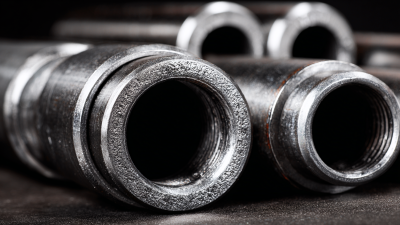
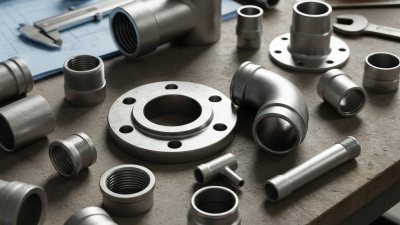
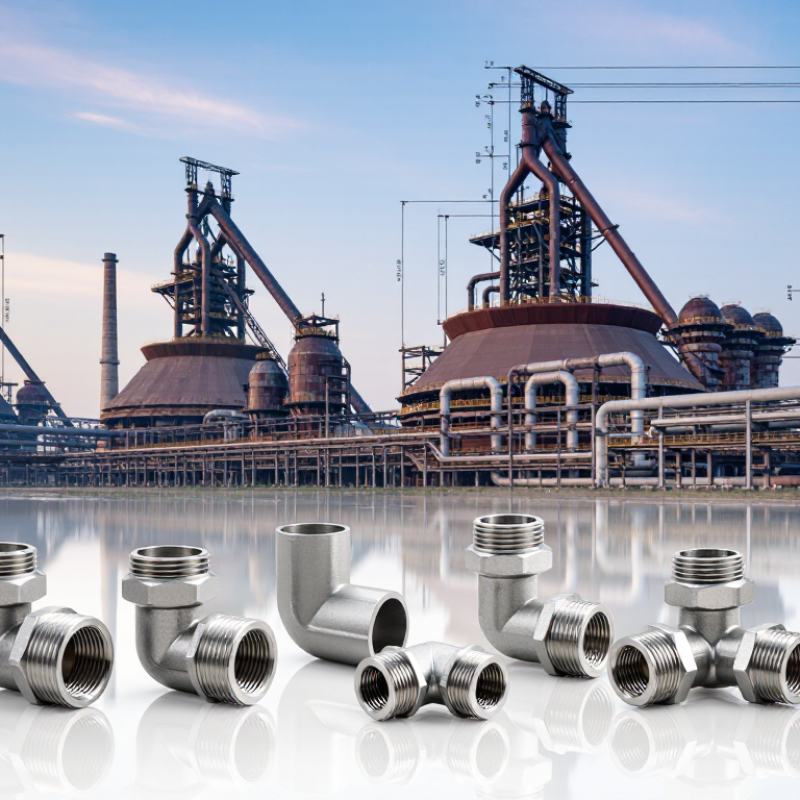
Steel pipe fittings connect, redirect, divide, or close piping systems. Common types include elbows, tees, reducers, couplings, caps, and flanges. An elbow changes flow direction, while a tee creates a branch for equipment or another pipeline. A reducer joins pipes with different diameters, controlling velocity and pressure changes.
Their uses span water treatment, construction, power generation, chemical processing, and energy infrastructure. Welded fittings suit permanent, high-strength connections. Threaded fittings support smaller systems and easier maintenance. Flanged connections allow repeated disassembly around pumps, valves, and inspection points. The correct choice depends on pressure, temperature, fluid chemistry, wall thickness, and installation space. It is not merely a size decision.
According to World Steel Association’s World Steel in Figures 2024, global crude steel production reached about 1.89 billion tonnes in 2023. That scale supports extensive infrastructure, but it does not guarantee reliable fitting performance. Design teams must verify dimensions, material grades, pressure ratings, and applicable standards, such as ASME B16.9 for factory-made butt-welding fittings. Field experience also matters. Misalignment, poor welding, and trapped moisture can shorten service life. A fitting may look small, yet it can control an entire line’s safety. This detail is often underestimated.
How to Evaluate Steel Pipe Fittings Manufacturers in China
Choosing among China’s steel pipe fittings manufacturers requires more than comparing catalog prices. In procurement reviews, I examine production records, inspection routines, and delivery history. A bright showroom proves little. Ask to see forging, machining, heat treatment, and packing areas. Look for clean material labels, marked batches, and calibrated gauges. These details reveal daily discipline.
Request certificates for the exact grade, size, and fitting standard being offered. Check whether an independent laboratory verifies chemical composition, tensile strength, hardness, and dimensional accuracy. Review hydrostatic or pressure-test reports when the application requires them. Traceability should connect each fitting to a heat number, inspection record, and packing list. Ask how nonconforming pieces are isolated. Vague answers deserve caution.
Evaluate engineering support through practical questions. Can the team interpret wall thickness, pressure class, corrosion conditions, and welding requirements? Request a sample drawing and a realistic production schedule. Confirm tooling capability, minimum order quantities, and spare capacity during peak seasons. Communication matters too; slow replies may become costly during changes. I once treated a low quotation as efficiency, but hidden testing and freight costs changed the result. That mistake still shapes my checklist. A factory may look capable, yet weak documentation can undermine reliable supply.
China’s Top 10 Steel Pipe Fittings Manufacturers
China’s Top 10 Steel Pipe Fittings Manufacturers should be assessed through evidence, not visibility alone. The World Steel Association reported China produced about 1,005 million tonnes of crude steel in 2024, over half of global output. This scale supports strong access to plate, billet, forging, and machining capacity. However, large output does not automatically prove fitting quality.
A practical review should examine factory audits, process controls, and traceability. Reliable manufacturers can provide heat numbers, EN 10204 3.1 certificates, dimensional reports, and hydrostatic test records. For petrochemical and power projects, buyers should also check compliance with ASME B16.9, ASME B16.11, ASTM material grades, and project-specific welding procedures. Independent non-destructive testing matters. Ultrasonic and radiographic inspection can reveal defects hidden beneath a smooth surface.
Industry reports from the International Energy Agency continue to show major investment in gas, refining, and infrastructure networks across Asia. That demand increases the need for elbows, tees, reducers, and flanges with stable wall thickness. UN Comtrade trade data also reflects China’s significant role in global steel product exports, although export volume alone remains an incomplete ranking tool. Some supplier websites look impressive. Their documentation may be less convincing. Buyers should request recent production samples, tolerance records, coating details, and references from comparable projects. A top-ten list is useful, but it should remain a starting point, not a final purchasing decision.
Key Products and Capabilities of Leading Chinese Manufacturers
China Top 10 Steel Pipe Fittings Manufacturers
Leading Chinese manufacturers serve energy, construction, shipbuilding, and chemical-processing projects. Their key products include elbows, tees, reducers, caps, flanges, and forged fittings. Many facilities produce carbon steel, stainless steel, and low-alloy components. According to the World Steel Association, China produced about 1,005 million tonnes of crude steel in 2024. This large production base supports broad material availability and competitive lead times.
Capability matters more than catalog size. Advanced factories use hot forming, cold forming, precision forging, and controlled heat treatment. They also provide ultrasonic testing, radiographic testing, dimensional inspection, and positive material identification. Common technical references include ASME B16.9, ASME B16.5, ASTM material specifications, and ISO 9001 quality systems. Reliable suppliers should offer heat-number traceability, mill certificates, and pressure-test records. In practice, documentation can still vary. Buyers should verify each batch.
Tips: Match wall thickness, schedule, pressure class, and corrosion conditions before ordering. Request sample inspection records. Confirm weld bevels and tolerances. Do not judge quality by price alone. A cheaper fitting may create costly installation delays. Production photos help, but independent inspection is stronger evidence. Check packing carefully, especially for machined faces and threaded ends.
How to Select the Right Chinese Manufacturer for Your Project
Selecting among China’s top 10 steel pipe fittings manufacturers requires more than comparing quotations. The World Steel Association reported that China produced about 1.019 billion tonnes of crude steel in 2023. This scale supports strong material availability, but it does not guarantee consistent fittings. Ask each supplier for mill certificates, heat numbers, dimensional records, and pressure-test results. Request samples from the same production line planned for your project.
Check technical control against applicable standards, such as ASME B16.9, ASME B16.5, ASTM specifications, or EN requirements. Confirm wall thickness, bevel geometry, hardness, chemical composition, and non-destructive testing methods. A qualified quality plan should identify inspection points before, during, and after production. Independent inspection is useful for critical orders. It remains imperfect, though. Inspection can miss problems hidden inside a large batch.
Review export experience through verifiable records, not attractive photographs. The supplier should explain packaging for long-distance transport, moisture protection, marking, and replacement procedures. Compare lead times with actual capacity, not optimistic promises. A smaller factory may offer closer attention, while a larger one may provide better process stability. Price still influences decisions. That is understandable. However, an unusually low quotation may reflect thinner inspection, weaker documentation, or unapproved material substitutions. Visit the facility when possible, speak with production and quality staff, and test how quickly they answer one difficult technical question.