Call Us

(905) 670-0113

Why Choose Stainless Steel Hose for Global Sourcing?

Why Choose Stainless Steel Hose for Global Sourcing? Buyers often face pressure, temperature, corrosion, and delivery risks at the same time. A hose may look simple. Its failure rarely is. Stainless steel hose offers a practical balance of flexibility, strength, and service life. It can support demanding connections in industrial equipment, process lines, gas systems, and fluid handling applications. The right choice depends on more than appearance.

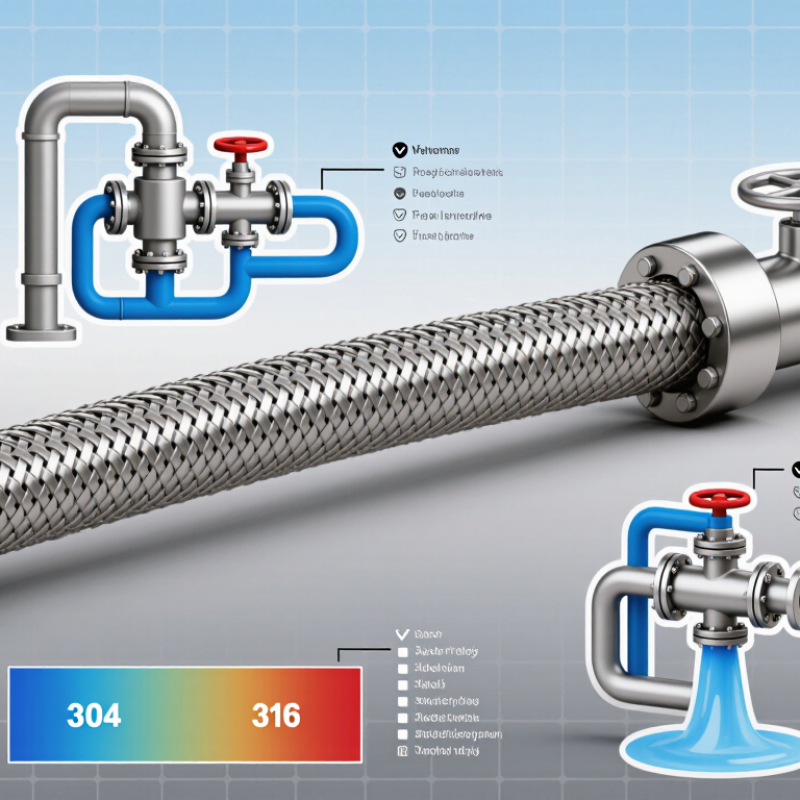
Material selection matters. Grade 304 may suit many general environments, while 316 can provide stronger resistance in chloride-rich conditions. Corrugated tubing supports flexibility, and braided layers help manage pressure and movement. End fittings must match the media, connection method, and operating temperature. Small details matter.

Global sourcing requires evidence, not confident promises. Reliable suppliers should provide clear drawings, material information, pressure ratings, inspection records, and traceability. Samples should be checked against actual installation conditions. Testing may reveal issues that a polished catalog does not show. No product is perfect. Stainless steel hose can still fail when exposed to excessive vibration, incorrect assembly, or unsuitable chemicals.

A responsible sourcing process compares total value rather than unit price alone. It considers service life, replacement frequency, packaging, lead time, and technical support. Supplier experience also deserves careful review. Factory audits, consistent documentation, and realistic communication build trust over time. However, certificates alone do not guarantee performance. Buyers should verify what was tested, how it was tested, and whether the results match the intended use. This practical approach makes stainless steel hose a dependable option for international procurement, while leaving room for honest questions and continuous improvement.
Why Choose Stainless Steel Hose for Global Sourcing?

What Is a Stainless Steel Hose and How Does It Work?

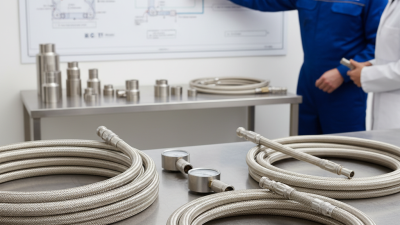
A stainless steel hose is a flexible pressure connection made from a thin, corrugated metal tube. The corrugations allow controlled bending without sharply folding the flow path. Stainless steel provides resistance to heat, corrosion, and repeated movement. A braided outer layer usually carries pressure and limits unwanted expansion.

It is not magic.

During operation, the inner tube contains the fluid, while the braid shares mechanical stress. End fittings transfer that load to equipment, pipes, or valves. In practice, hose performance depends on temperature, pressure, vibration, bend radius, and fluid compatibility. A hose may survive high pressure but fail early when installed with a tight bend.

The 2024 Industrial Hose Market analysis by Grand View Research estimated the global market at about USD 14 billion in 2023, with continued growth expected through 2030. This demand reflects wider use in chemical processing, energy systems, food production, and industrial automation. However, market growth does not replace engineering checks.

ISO 10380 addresses corrugated metal hose requirements, including flexibility and pressure-related testing. ASME B31.3 also guides process-piping design and material selection. These references help buyers compare suppliers beyond price. I would still request pressure-cycle results, material certificates, and dimensional inspection records. Datasheets can look convincing. Field conditions are less polite.

For global sourcing, confirm the alloy grade, braid construction, connection type, and test medium. Stainless steel is not automatically suitable for every chemical. Chlorides, pulsation, and poor installation can shorten service life. A correctly specified hose should flex where needed, remain stable under pressure, and fit the system without forced alignment.

Which Materials and Construction Features Affect Hose Performance?

Why Choose Stainless Steel Hose for Global Sourcing?

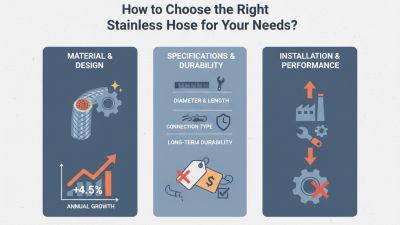
Which Materials and Construction Features Affect Hose Performance?

Material selection controls how a stainless steel hose behaves under pressure, heat, and repeated movement. Type 304 stainless steel suits many water, air, and general industrial applications. Type 316 offers stronger resistance to chlorides and aggressive chemicals. However, grade alone does not guarantee reliable service.

The inner core may be corrugated or smooth. Corrugated tubing bends more easily and absorbs vibration, but its internal profile can increase turbulence. Smooth-bore designs support easier cleaning and steadier flow. A braided stainless steel cover limits expansion and improves pressure resistance. More braid layers usually increase strength, though they can reduce flexibility and raise weight.

Construction quality matters at every connection. Welds should be even, fully penetrated, and free from visible cracks or sharp edges. Fittings must match the hose material and operating conditions. A poor connection can fail before the tube does. It happens.

During supplier evaluation, request pressure-test records, material certificates, dimensional reports, and samples from the intended production process. Check bend radius, braid coverage, fitting alignment, and surface finish. In practical inspections, small differences often matter. A hose that looks polished may still have weak welds or inconsistent wall thickness.

Temperature cycling and repeated bending should also guide selection. Static pressure tests are useful, but they cannot represent every field condition. This is where sourcing decisions become less certain. Ask for application-specific testing, and define acceptance criteria before placing a large order.

Why Stainless Steel Hoses Suit Diverse Industrial Applications

Why Choose Stainless Steel Hose for Global Sourcing?

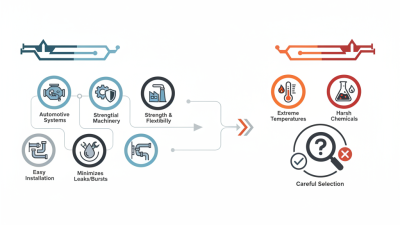
In diverse industrial applications, stainless steel hose combines flexibility with mechanical resilience. It can absorb vibration, equipment movement, and small alignment errors around pumps, compressors, and processing lines.

That matters.

A rigid connection can transfer stress into fittings or machinery. The NACE IMPACT study estimated global corrosion costs at about US$2.5 trillion annually, equal to 3.4% of global GDP. Corrosion-resistant components may support longer service intervals, although performance still depends on alloy selection, media, temperature, and installation.

Food, chemical, pharmaceutical, energy, and manufacturing systems often require different hose characteristics. 304 stainless steel suits many ordinary environments, while 316L offers stronger resistance to chlorides and several process chemicals.

Corrugated construction supports movement, and braided reinforcement helps manage pressure. Cleanable metal surfaces may also reduce residue retention when designed correctly.

ISO 10380 provides requirements for corrugated metal hose assemblies, giving buyers a useful technical reference during supplier evaluation. It is not a substitute for engineering review.

Global sourcing adds practical advantages. Stainless assemblies are widely specified, inspectable, and available with standardized fittings. The International Stainless Steel Forum reported 58.4 million tonnes of global stainless crude steel production in 2023, reflecting a broad supply base.

Still, stainless hose is not automatically the best choice. Excessive bending, poor support, or mismatched connections can cause early failure. I would request pressure, temperature, cycle, and chemical data before comparing quotations.

The cheapest offer may become expensive later. That lesson is easy to forget.

How Do Durability, Safety, and Maintenance Reduce Long-Term Costs?

Why Choose Stainless Steel Hose for Global Sourcing?

Durability, safety, and maintenance directly influence a hose’s long-term cost. Stainless steel resists heat, pressure, vibration, and many corrosive fluids. Field inspection experience shows that correctly specified hoses often remain reliable in demanding service. That is not a guarantee. Alloy selection, braid design, and bend radius still require technical review.

The NACE IMPACT study estimated global corrosion costs at approximately 3.4% of worldwide gross domestic product. Preventing corrosion-related replacement can therefore protect both equipment and sourcing budgets. A suitable stainless steel hose may cost more initially, but fewer emergency purchases can improve total cost performance.

Safety also reduces hidden expenses. A failed hose can cause leaks, production stoppages, cleanup work, and worker exposure. Compliance with relevant pressure and installation standards supports safer procurement across different markets. Maintenance teams should inspect fittings, abrasion points, movement, and discoloration at defined intervals.

No material is maintenance-free. The U.S. Department of Energy’s Operations & Maintenance Best Practices Guide reports that effective maintenance can reduce facility energy use by roughly 5–20% in suitable applications. That figure does not apply to every hose system, but it highlights a practical truth: neglected equipment wastes resources.

A cheaper quotation can still look attractive. That judgment is sometimes wrong. Clear specifications, traceable test records, and realistic replacement planning make global sourcing more dependable.

What Should Global Buyers Evaluate When Selecting a Supplier?

Global buyers should evaluate the supplier before comparing stainless steel hose prices. Material selection affects corrosion resistance, flexibility, and service life. Ask whether the supplier can provide clear material records, pressure ratings, temperature limits, and dimensional drawings. These details should match the actual working environment, not only a catalogue description.

A reliable supplier explains production controls and testing methods in plain language. Request sample reports for leak testing, weld inspection, and pressure testing. Check how the supplier manages batch traceability, packaging, and replacement parts. Communication also matters. A technically strong factory may still create delays if drawings, approvals, or shipping documents are handled poorly. Review lead times, minimum order quantities, export experience, and several recent customer references. Do not trust polished certificates alone. A neat document pack can hide weak inspection practices.

Tips: Ask for one sample before placing a large order. Compare its braid finish, fittings, bending response, and connection accuracy. Confirm whether the quoted hose includes all required fittings and tests. Keep written records of every specification. No supplier is perfect. Even an experienced buyer can overlook a small detail, such as installation space or repeated movement. That mistake can become expensive after shipment. A short technical call with the supplier’s engineer may reveal more than a long sales presentation.