Call Us

(905) 670-0113

Top 10 Tigerflex Hose Types for Global Buyers?

Global buyers are rethinking hose selection as industrial operations become more automated, mobile, and specification-driven. Grand View Research estimates that the global industrial hose market reached approximately USD 15.7 billion in 2023. Its report also projects steady growth through 2030. MarketsandMarkets identifies chemical handling, mining, construction, food processing, and agriculture as important demand areas. These sectors expose hoses to different pressures, temperatures, abrasives, and cleaning routines.

This guide examines the top 10 tigerflex hose types for international purchasing teams. It compares material construction, working pressure, flexibility, bend radius, suction performance, and chemical resistance. Kuriyama of America president Scott J. Hennessy offers a practical reminder: “Match the hose to the application, not merely the catalog description.” That principle matters when a hose runs beside a vibrating pump or through a dusty quarry. A few millimeters of inner diameter can affect flow, while a tight bend can shorten service life.

No single tigerflex hose fits every plant. That is easy to forget. Buyers should verify temperature limits, coupling compatibility, regulatory requirements, and local service support before ordering. Product pages alone may not reveal abrasion patterns, static-control needs, or cleaning frequency. This overview uses manufacturer specifications, application guidance, and market research to support a more disciplined comparison. Still, the ranking is not absolute. Real operating conditions can change the best choice.
Top 10 Tigerflex Hose Types for Global Buyers?

Tigerflex Hose: Definition, Structure, and Core Performance Features

Industrial Flexible Hose: Definition, Structure, and Core Performance Features

A flexible industrial hose moves liquids, slurries, powders, or air. Its structure usually combines an inner tube, reinforcement, and outer cover. A rigid helix may support suction service and resist wall collapse. The inner layer controls chemical compatibility and flow quality. Reinforcement manages pressure and bending stress. The cover protects against sunlight, moisture, oil, and rough handling. These layers work together. Small differences matter.

From field inspections, buyers should check working pressure, vacuum rating, temperature range, bend radius, and end connections. A hose may look heavy-duty but fail when sharply folded near a coupling. It stays flexible. That does not make it universally suitable. A thin-wall hose may handle water transfer well but degrade under abrasive sand. A smooth bore can reduce turbulence and cleaning time. Wire support can improve suction stability, but it may increase weight and complicate installation. Test data should state whether ratings apply at ambient temperature, continuous duty, or short-term use. This detail is often missed.

Reliable selection also requires reviewing storage conditions and inspection records. Check for flattening, cracks, exposed reinforcement, and loose fittings before service. In cold environments, some polymers stiffen and lose bendability. In hot service, pressure capacity may fall. I would not choose by diameter alone. Application, media, routing, and maintenance history should guide the decision. A practical trial under real flow conditions can reveal weaknesses that a catalog cannot.
Ten Major Tigerflex Hose Types and Their Distinctive Uses

Ten Major Tigerflex Hose Types and Their Distinctive Uses

Industrial hose selection depends on pressure, temperature, materials, and movement. A 2024 MarketsandMarkets report estimates the industrial hose market could reach about USD 20 billion by 2029. That growth reflects wider use in manufacturing, agriculture, construction, and process industries. However, market demand does not make every hose suitable for every task.

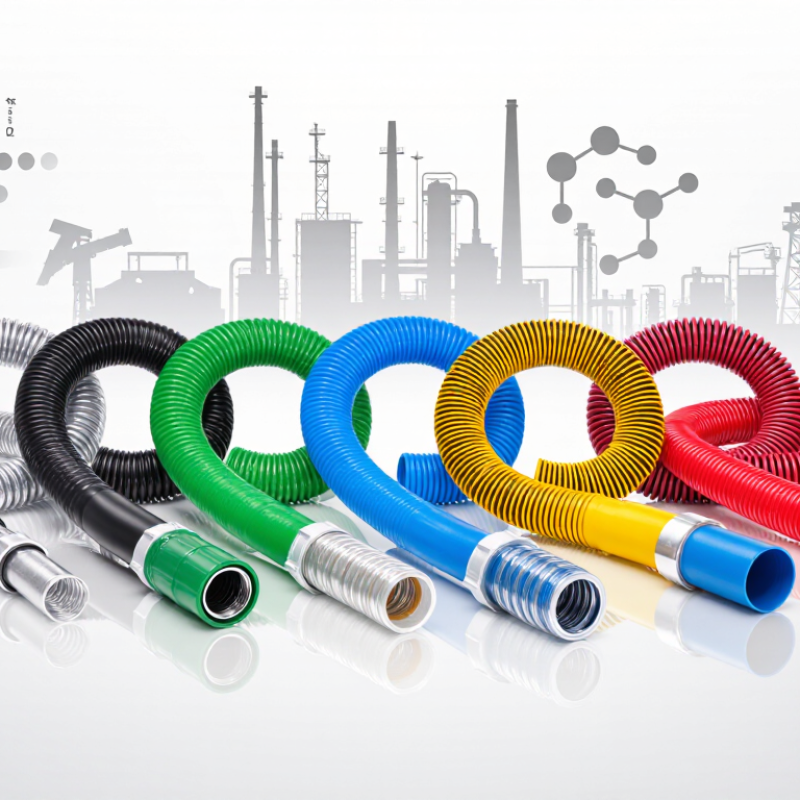
The ten major types serve different operating conditions. Suction and discharge hoses move water, slurry, and wastewater. Food-grade hoses support hygienic beverage and dairy transfer. Chemical hoses handle acids, solvents, and cleaning fluids. Oil-resistant hoses serve fuel and lubricant systems. Abrasion-resistant hoses carry sand, cement, and mineral particles. Material-handling hoses support powder and pellet transfer. Ducting hoses remove fumes, dust, and warm air. Hydraulic thermoplastic hoses manage pressurized fluid in compact machinery. Air and water hoses support workshops and general plant services. Wire-reinforced hoses resist collapse during suction or vacuum work.

ISO 1307 identifies hose dimensions and tolerance requirements, while EN 12115 addresses chemical hose safety and performance. Buyers should verify these standards against the actual application. A hose may look strong but fail under repeated bending. That detail is often missed. Temperature spikes, tight bends, and cleaning chemicals can shorten service life. In my experience, a slightly oversized hose may reduce pressure loss, but it can also increase handling difficulty. The “best” type is not always the thickest one.

Top 10 Tigerflex Hose Types for Global Buyers? - Ten Major Tigerflex Hose Types and Their Distinctive Uses
No. Generic Hose Type Typical Construction Main Conveyed Media Distinctive Uses Typical Temperature Range Key Buying Considerations
1 Clear PVC Suction and Discharge Hose Flexible PVC tube with rigid PVC spiral reinforcement Water, light liquids, mild chemicals, wastewater General liquid transfer, irrigation, tank drainage, construction dewatering and agricultural equipment Approximately -15°C to +60°C Check suction resistance, wall thickness, bend radius, liquid compatibility and vacuum requirements
2 PVC Braided Pressure Hose Soft PVC tube reinforced with polyester yarn braid Water, compressed air, dilute chemicals and non-oily fluids Low- to medium-pressure air and water lines, washdown systems, pneumatic tools and general industrial service Approximately -10°C to +60°C Compare working pressure at the actual temperature; use suitable clamps and avoid sharp kinks
3 PVC Steel-Wire Reinforced Hose Flexible PVC tube with embedded steel-wire helix Water, oils, powders, granules and selected chemicals Heavy-duty suction and discharge, industrial processing, bulk material handling and pump connections Approximately -20°C to +60°C Verify grounding requirements, wire corrosion resistance, vacuum rating and chemical compatibility
4 Polyurethane Abrasion-Resistant Hose Polyurethane tube, commonly reinforced with a helix or external support Sand, gravel dust, wood chips, pellets, powders and other abrasive materials Pneumatic conveying, dust collection, woodworking, agricultural processing and abrasive solids transfer Approximately -40°C to +90°C, depending on formulation Assess abrasion resistance, static dissipation, flex-fatigue performance and particle size
5 Food-Grade Flexible Hose Food-contact polymer tube with smooth bore and hygienic reinforcement Water, beverages, dairy products, dry food powders and selected edible liquids Food processing, beverage filling, dairy transfer, ingredient handling and washdown applications Commonly approximately -20°C to +80°C Request applicable food-contact documentation, confirm cleaning method and check odor, taste and migration requirements
6 Chemical Transfer Hose Chemically resistant thermoplastic or elastomeric tube with textile and/or helical reinforcement Acids, alkalis, solvents or other process chemicals, subject to compatibility Chemical plants, laboratories, water treatment facilities and controlled process transfer Often approximately -30°C to +80°C; media-specific Compatibility depends on concentration, temperature, exposure time and pressure; consult a chemical-resistance chart
7 Oil-Resistant Fuel and Petroleum Hose Oil-resistant inner tube with textile braid, spiral reinforcement or static-conductive design Diesel, gasoline, lubricating oils and selected petroleum-based fluids Fuel dispensing, tank transfer, service stations, machinery maintenance and mobile equipment Commonly approximately -30°C to +80°C Confirm fuel type, vapor resistance, electrical continuity, permeation limits and applicable transport regulations
8 Layflat Discharge Hose Flexible PVC or thermoplastic tube reinforced with woven synthetic fabric Water, slurry, irrigation water and selected low-viscosity liquids Temporary water transfer, mining drainage, irrigation, emergency pumping and dewatering Approximately -20°C to +60°C Evaluate burst pressure, abrasion resistance, couplings, folding frequency and resistance to dragging
9 Ventilation and Ducting Hose Flexible polymer-coated fabric or thermoplastic tube with helix support Air, fumes, dust, vapors and light gaseous exhaust Ventilation, welding-fume extraction, air conditioning, shipbuilding and confined-space ventilation Approximately -30°C to +100°C; high-temperature versions vary Check airflow loss, static control, collapse resistance, bend radius and exposure to heat or chemicals
10 High-Temperature Air and Exhaust Hose Heat-resistant elastomer, coated fabric or reinforced thermoplastic construction Hot air, engine exhaust, warm gases and selected vapors Engine exhaust extraction, industrial ovens, heating systems, marine service and hot-air conveyance Approximately +100°C to +300°C, depending on design Confirm continuous versus peak temperature, external heat exposure, exhaust composition and required fire performance

How to Match Each Hose Type with Industrial Applications

Top 10 Industrial Hose Types for Global Buyers

Choosing the right hose starts with the application, not the catalog photo. Grand View Research projects the global industrial hose market to grow at about 4.8% annually through 2030. That growth reflects stricter process demands and more replacement work.

Suction hoses suit water, sludge, and powder recovery. Discharge hoses handle dewatering and liquid transfer. Hydraulic hoses serve presses, lifts, and mobile machinery.

Steam hoses require heat-resistant construction and careful pressure control. Chemical hoses fit acids, solvents, and corrosive liquids, but compatibility charts remain essential.

Food-grade hoses support dairy, beverage, and pharmaceutical processing. They need smooth interiors and cleanable materials.

Abrasive material hoses move sand, cement, minerals, and shot. Oil-transfer hoses serve refineries, tank farms, and service vehicles.

Ventilation and ducting hoses remove fumes, dust, and warm air. Composite transfer hoses offer lighter handling for fuel and chemical loading. They can reduce operator strain, but not every lightweight design tolerates vacuum service.

ISO 1307 emphasizes correct hose dimensions, while ISO 18752 classifies hydraulic performance by pressure and impulse resistance.

Buyers should check temperature, working pressure, bending radius, vacuum rating, fluid chemistry, and coupling design. Field experience shows one mistake repeats: selecting by diameter alone. A hose may fit the pipe and still fail under pulsing pressure.

Temperature spikes are often underestimated. Verify the highest real operating temperature, not the daily average. Market data helps explain demand, but site measurements decide suitability.

Key Selection Criteria for Pressure, Temperature, Size, and Materials

Top 10 Tigerflex Hose Types for Global Buyers

For global buyers, hose selection starts with pressure, temperature, size, and materials. The 2024 MarketsandMarkets Industrial Hose Market report estimates growth from USD 13.1 billion in 2023 to USD 17.0 billion by 2028. That expansion increases product choices, but it also increases selection mistakes.

For air, water, oil, chemical, steam, and material-handling service, check working pressure and surge pressure separately. A hose rated for 150 psi may fail during sudden pressure spikes. Temperature limits must cover continuous exposure, cleaning cycles, and nearby heat sources. Inner diameter controls flow and pressure loss. Outer diameter affects fittings, clamps, and installation space. Always confirm the minimum bend radius under operating conditions. ISO 18752 and SAE J517 provide useful performance frameworks, but they do not replace application testing.

Tips: Match the tube material to the actual fluid, not its trade name. PVC suits many light-duty applications. Polyurethane handles abrasion well. Rubber offers flexibility and impact resistance. Fluoropolymer liners support demanding chemical service, but they can increase cost and reduce flexibility. Confirm reinforcement type, electrical conductivity, vacuum rating, and coupling compatibility. A clean spreadsheet can still miss abrasion near a sharp frame. I still recommend a short field trial. It exposes practical problems that catalogs rarely show.

Top 10 Industrial Hose Types for Global Buyers

Key selection criteria: maximum working pressure, temperature range, nominal size, and hose material.

Hose type Typical size range Common material Typical application
Hydraulic thermoplastic6–25 mm IDThermoplastic elastomerMobile hydraulics and compact equipment
Hydraulic wire braid6–51 mm IDSynthetic rubber with steel braidGeneral hydraulic power systems
Hydraulic spiral wire12–51 mm IDSynthetic rubber with spiral wireHigh-pressure heavy machinery
Steam hose13–51 mm IDEPDM rubber with textile reinforcementSaturated steam and industrial cleaning
Chemical transfer hose19–102 mm IDEPDM or PTFE-lined constructionAcids, alkalis, and chemical fluids
Food transfer hose19–152 mm IDFood-grade silicone or EPDMLiquid food and beverage processing
Dry bulk material hose38–152 mm IDAbrasion-resistant natural or synthetic rubberPowders, granules, and abrasive solids
Oil suction and discharge hose25–305 mm IDNBR rubber with textile and wire reinforcementPetroleum products and fuel transfer
Water discharge hose19–305 mm IDEPDM or synthetic rubberConstruction, mining, and general water service
Hot-air hose25–305 mm IDSilicone-coated fiberglass or high-temperature fabricDrying, ventilation, and hot-air extraction

The chart uses representative maximum working ratings for common industrial hose constructions. Actual limits depend on reinforcement, fluid compatibility, fittings, impulse cycles, vacuum conditions, and applicable standards. Confirm the supplier’s technical datasheet before purchasing.

Global Buying Considerations for Compliance, Logistics, and Cost

Top 10 Tigerflex Hose Types for Global Buyers

Choosing among ten hose types requires more than comparing diameter and price. Common options include general-purpose, chemical, food-grade, hot-water, oil-resistant, abrasive, suction-discharge, hydraulic, material-handling, and static-dissipative designs. Each type serves different operating conditions. Buyers should verify pressure, temperature, bend radius, media compatibility, and reinforcement layers. Compliance documents must match the actual hose construction. A certificate alone is not enough.

Tips: Request test reports, material declarations, and traceable batch information. Confirm whether required standards apply to the destination country, industry, and application. Ask for samples when chemical or temperature exposure is uncertain. Small details matter.

Logistics can change the real cost quickly. Measure packed coil dimensions before booking freight. Check minimum order quantities, pallet limits, customs descriptions, and delivery lead times. A cheaper hose may require stronger packaging or special transport. Landed cost includes freight, duties, inspection, storage, and possible rejection. In purchasing reviews, buyers sometimes focus too heavily on unit price. That habit deserves reconsideration. It can hide performance losses, installation delays, or premature replacement. Suppliers should provide clear technical data and realistic service limits. Never assume one hose type works across every market.